
Scientists Discover a Correlation We Already Noticed Back in 2016 — Panicked White People Gave Us Trump

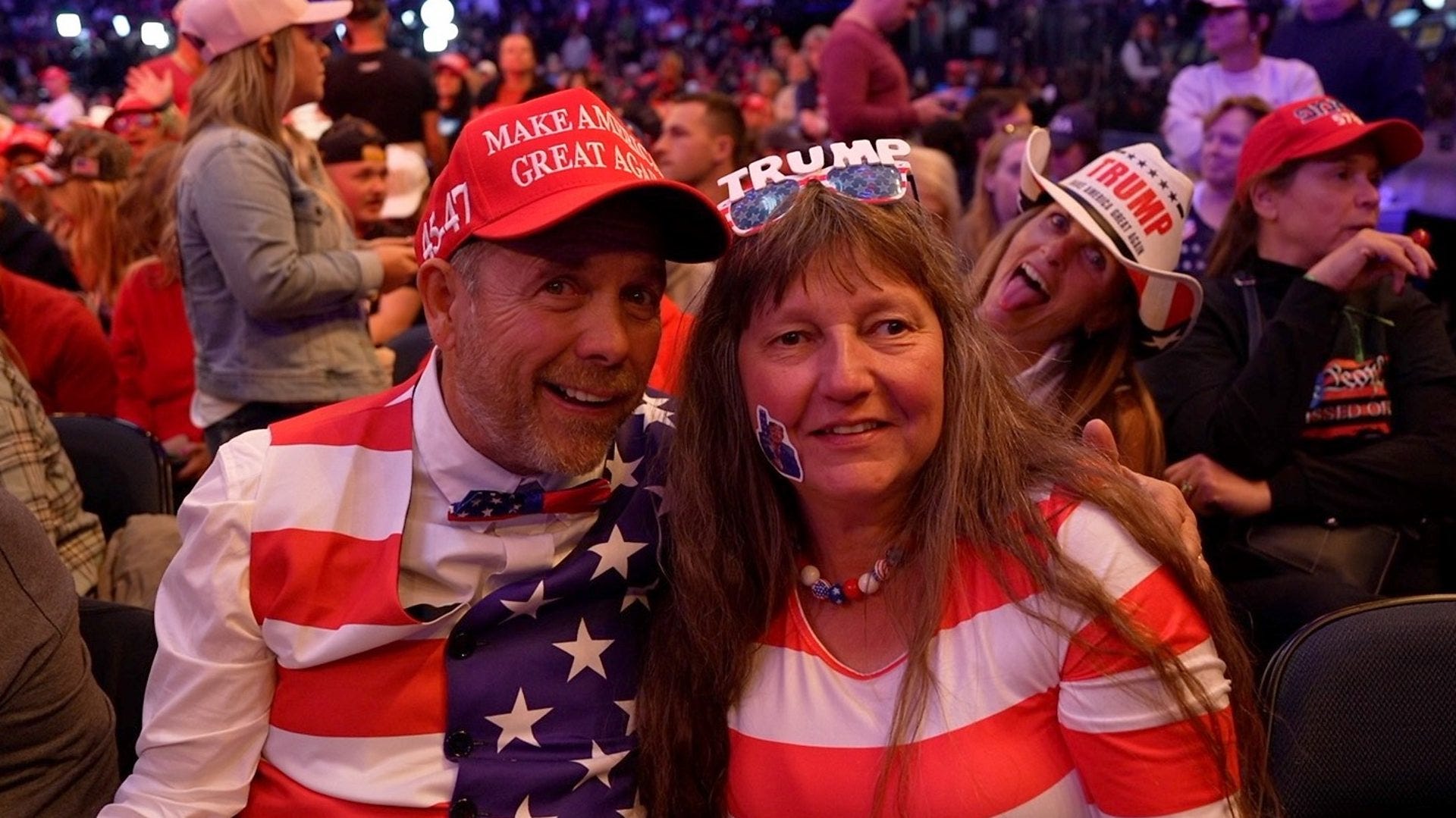
A new academic study is putting numbers to a political dynamic that’s been obvious to anyone paying attention since at least 2016: a chunk of White Americans who feel like they’re slipping down the social ladder were far more likely to oppose DEI programs and back Donald Trump at the ballot box.
The paper, published in 2026 and based on a multi-wave survey of White American voters around the 2024 election, zeroes in on what researchers call a “last place” mindset — the belief that one’s group is falling behind others in the racial and economic hierarchy. According to the authors, those perceptions were closely tied to political behavior. White respondents who felt they were near the bottom of that perceived hierarchy showed the strongest support for banning diversity, equity, and inclusion programs, the highest alignment with “alt-right ideology,” and the greatest likelihood of voting for Trump.
“We conclude that White Americans’ subjective perceptions of their position in the racial economic hierarchy meaningfully relate to political attitudes and behavior,” the researchers wrote.
The study tracked more than 500 non-Hispanic White Americans across five survey waves before and after the 2024 election. Participants were asked to rank their own economic and social standing relative to other racial groups, then answer questions about policy preferences and political candidates. The researchers identified a subset of respondents, about 15% of the sample, who believed they were effectively tied for “last place” in the hierarchy, or at least close to being passed by other groups. That group stood out for its support of Trump and opposition to DEI initiatives, even after controlling for income, education, and age.
The study found that White Americans who felt they were “falling behind White and Asian Americans, while also being close to being passed by Black and Hispanic Americans” were particularly likely to support Trump and policies aimed at dismantling DEI programs.
That sense of slipping status exists alongside a long-standing reality: on average, White Americans still hold substantially more wealth than Black and Latino Americans. The researchers note this explicitly, pointing out that structural inequality remains well documented. But the study suggests that feeling like you’re losing ground — even if you’re still ahead in absolute terms — can be politically potent.
If that sounds familiar, it should. Narratives about White Americans being “left behind” or “replaced” have been central to right-wing populist messaging for years. Trump’s campaigns in 2016, 2020, and 2024 leaned heavily on themes of displacement, competition, and cultural loss. The study doesn’t claim that those messages singlehandedly created the perceptions, but it does show how neatly the rhetoric and the psychology line up.

One of the more striking findings is that these attitudes didn’t fluctuate much over time. The relationship between perceived status decline, anti-DEI views, and support for Trump remained consistent across survey waves from September 2024 through the election and into the post-election period. That stability suggests these weren’t just campaign-season mood swings; they were durable beliefs that translated into votes.
The researchers stop short of making sweeping causal claims, but the implications are hard to miss. When people believe they’re losing status relative to other groups, they’re more likely to back candidates and policies that promise to restore it.
That dynamic has been reshaping American politics for years. Now there’s another dataset spelling it out, in painstaking detail, for anyone still pretending it’s a mystery.
The article explains why white people felt this way, but it doesn't explain why any person, no matter how panicked (seriously?), would think a man who lies for a living, can't get loans from anyone except Russia, convicted of assault, mentally challenged to the point that he can't connect 3 words together, can't pronounce words that include more than 2 syllables, hangs out with pedaphiles, etc
would help them. Any person concerned that another person different than them is a threat and causes them to panic is a dangerous person who truly suffers from my interpretation of Trump Derangement Syndrome.
IMHO, status is a more advanced iteration of the predator/prey dynamic. Higher status individuals can abuse lower status individuals without consequence. (See Epstein, Jeffrey files) Authoritarians, again IMHO, are more sensitive to status, deferring to their social “betters.” That whole “all men are created equal” notion is inconceivable to authoritarians, whether socially dominant or followers.